When did you last have your eyes checked for glaucoma?

The eye condition glaucoma is the leading cause of preventable blindness in New Zealand, with the prevalence increasing to 10% for those of us over the age of 70. Glaucoma can occur in people of all ages however and is more common if someone in our family also has the condition.

Glaucoma causes progressive and irreversible vision loss due to damage to the optic nerve in the back of the eye. Glaucoma is a painless condition and only affects your ability to see details like words and faces after significant nerve damage has occurred. For this reason it is known as the ‘silent thief of sight’ as many people with the condition are unaware of any symptoms.

The vision of someone with glaucoma.

The vision of someone with glaucoma.

Early diagnosis is important to limit the damage glaucoma will cause to your vision. A thorough eye check for glaucoma should involve checking a number of factors, including the pressure of the fluid in the eye (the main risk for glaucoma is a higher than normal eye pressure), a 3D inspection of the optic nerve, assessment of the fluid drainage angle in the eye, measurement of corneal thickness, testing of peripheral vision, and a retinal and optic nerve OCT scan to look for early damage to the nerve fibres.

With proper care only 2% of people with glaucoma will go blind in their lifetime. Your optometrist is the best person to visit for a glaucoma check. Some therapeutic optometrists, including our very own Mr Alex Petty, are also accredited to manage and treat glaucoma. If you or someone you know has not had their eyes checked for glaucoma in the last two years arrange a consultation before any potential damage is done.

Do your eyes get sore, burn or become red or watery? You may have dry eye syndrome.

It is estimated that up to 20% of kiwis suffer from some form of dry eye, a condition that can have a profound effect on quality of life. The drying effects of air-conditioning and decreased blink-rate associated with computer screen use can exacerbate this syndrome making simply keeping the eyes open intolerable for many.

The green speckled area shows a patch of dryness on the surface of an eye with MGD

The green speckled area shows a patch of dryness on the surface of an eye with MGD

The term ‘dry eye’ is used when someone's tears do not keep their eyeball wet enough throughout the day. Rather than not producing enough tears, the majority of dry eye sufferers have dry eye due to excessive evaporation of their tears. The most common cause of this evaporation is Meibomian Gland Dysfunction, or MGD. This condition occurs when the oil producing glands in the eyelids stop functioning correctly. The oils that these glands normally produce prevent the watery component of our tears from evaporating.

Unfortunately simply using lubricant eye drops does not change the underlying gland dysfunction and is only a short-term fix. There are a range of treatments that can decrease meibomian gland inflammation and improve function, including anti-inflammatory ointments, oral omega 3 supplements and anti-inflammatory medications and digital gland expression. The most exciting treatment to be recently available in Tauranga for MGD is intense pulsed light (IPL) therapy which offers lasting improvement of meibomian gland function and a reduction on dry eye symptoms. It is best to have the cause and severity of your dry eye syndrome professionally evaluated by a dry eye specialist so that they can determine the optimal treatment plan for your condition.

NZ Herald Video: Bay Eye Care optometrist Alex Petty discusses myopia control treatments for kiwi kids!

In May Alex was approached by NZ Herald to discuss how we can slow myopia in young New Zealanders. Alex specialises in myopia control treatments, including Ortho-K contact lenses, which slow myopia and improve vision during the day. The full video at nzherald.co.nz can be found here.

Watch to learn more! Thanks to Maia and Vicki for offering their time to share their experiences with these treatments.

World Glaucoma Week - Could you have this 'silent thief of sight'?

This week is World Glaucoma Week. Glaucoma is an insidious condition that affects the optic nerve of the eye - the wiring that carries information from the eye to the brain. ~10% of people over the age of 70 will have glaucoma and up to half do not even know they have it, as sight-loss is only noticeable in the later stages of the condition.

Fortunately early diagnosis and treatment can avoid blindess in 98% of people with glaucoma. Bay Eye Care uses cutting edge equipment such as OCT optic nerve scans that can detect damage from glaucoma earlier than a normal eye test. Our optometrist Mr Alex Petty is also the first optometrist in the Bay Of Plenty to be accredited to manage and treat glaucoma independently.

If you, or someone you know, have not been for a glaucoma review lately, especially if there is a family history of glaucoma, book in to see us for a comprehensive assessment to rule out this 'silent thief of sight'.

Short-sightedness is a problem for children in Australia too.

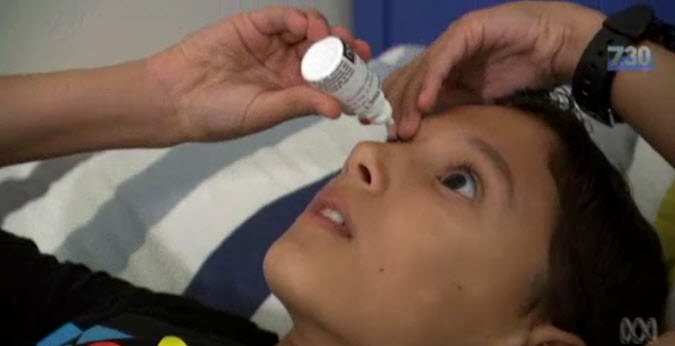
A recent news article on Australian TV highlights some of the risks of short-sightedness (myopia) in children and discusses the treatments to slow this condition. At Bay Eye Care we employ all the treatments mentioned to help control myopia in NZ kids.

View the short segment here: http://www.abc.net.au/7.30/content/2017/s4629501.htm